Ternary Computer
Why Computers Still Think in Two — And What Happens When They Don't
There’s a blind spot at the heart of modern computing. For 70 years, every chip on Earth has relied on the same foundation: binary. Just 0 and 1. No one ever questioned it.
But what if that was a historical accident? What if computers didn’t stop at two states? What if they had a third?
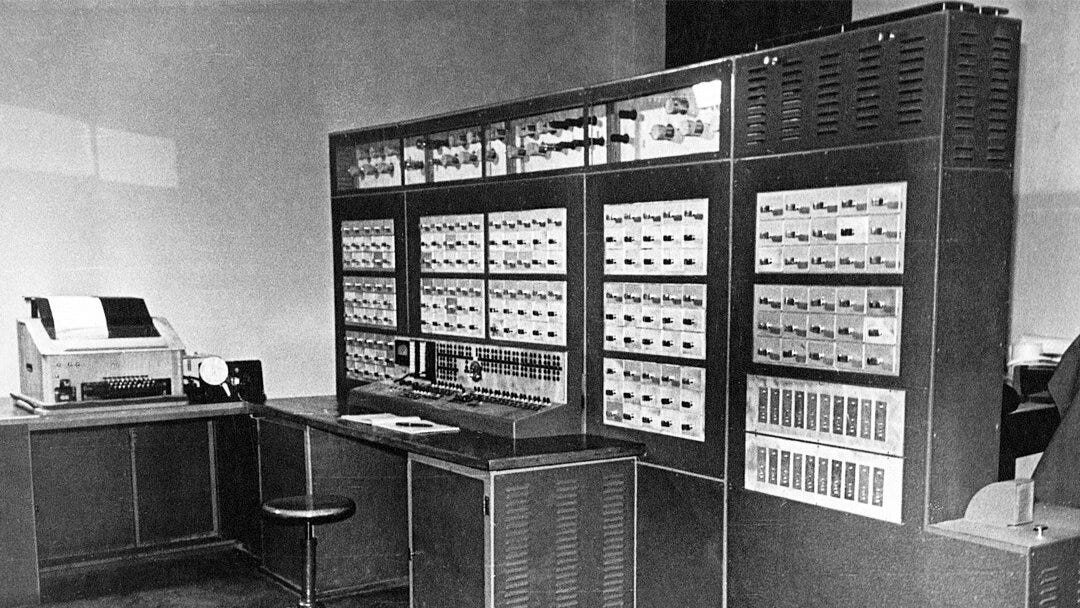
That’s the idea behind ternary computing, a forgotten approach that could unlock levels of efficiency binary logic will never reach.
It’s not just theory. Decades ago, the Soviets actually built one. And now, the story is taking a very unexpected turn.
The Soviet Experiment
Picture the Soviet Union in the 1950s. They had a strong start - they built MESM, one of Europe’s first digital computers. Then came BESM-1, a machine that outpaced America’s UNIVAC-1.
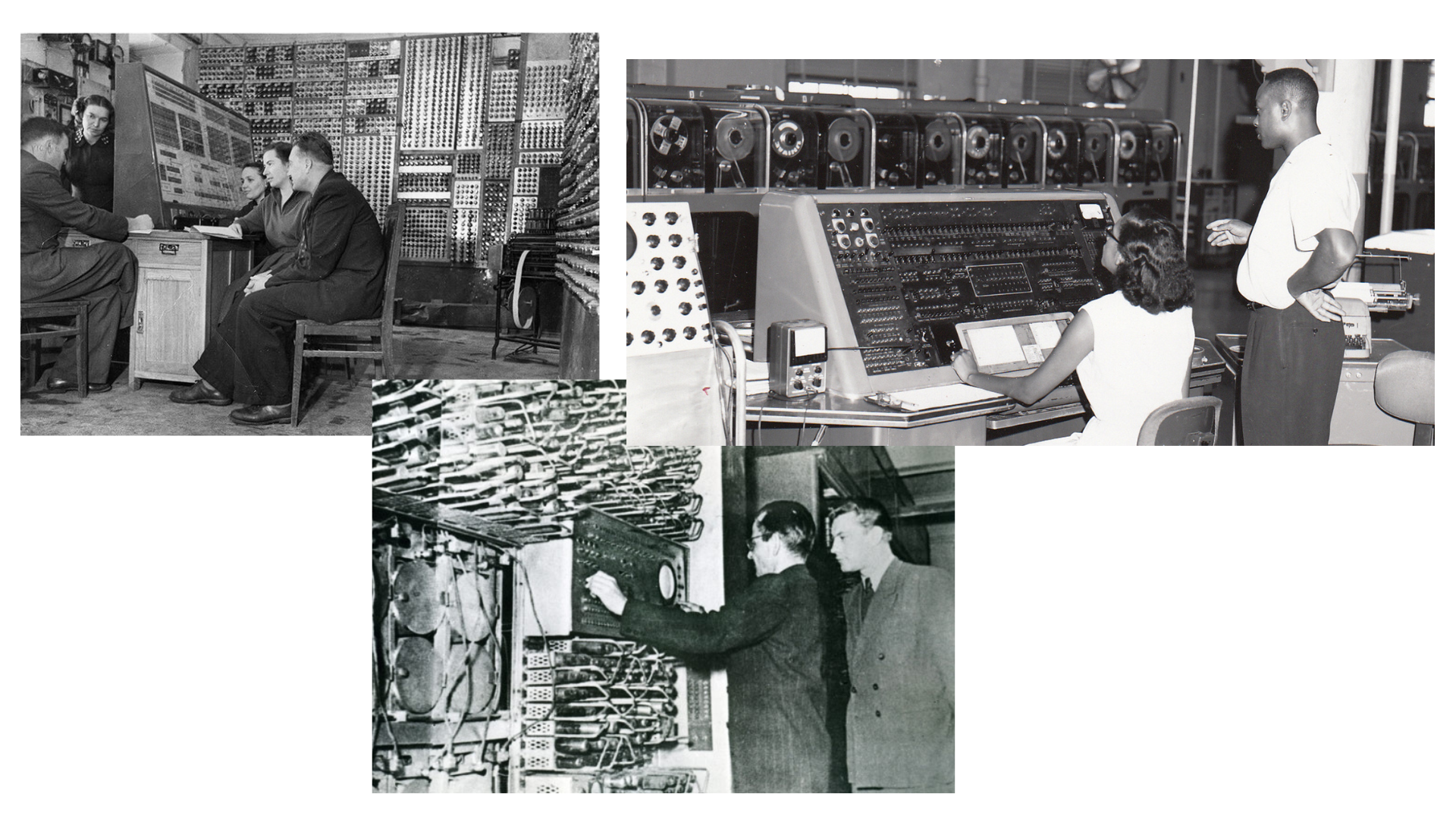
But the triumph didn’t last. In the U.S., IBM was mass-producing computers by the thousands. In the USSR, every machine was handmade. Scarce parts. No scale.
At Moscow State University, engineer Nikolay Brusentsov faced that reality. Binary mainframes were too costly and locked behind government walls. Academia couldn’t get near them.

So he decided to fight back and to build something new. Simple enough to build from scraps. Cheap enough that students could finally touch it.
Brusentsov spent months searching for a new path, until he met Sergey Sobolev, a mathematician who introduced him to ternary mathematics: a system built not on two states, but three.
It was like discovering colour TV in a black-and-white world.
Together they explored how this elegant math could become a real machine. Brusentsov argued that binary was never destiny, it was just a product of early hardware with two stable states. Nobody questioned it. Until they did.
The result was Setun, the world’s first ternary computer, running on –1, 0, and +1. Each “trit” carried three values instead of two. That meant more data per step and simpler arithmetic, no need for a sign bit, fewer operations overall. And Brusentsov realized this elegant math could turn into circuits that were simpler, more efficient, and far cheaper to build.
By 1958, after two years of relentless work, Setun was complete. Production began at the Kazan Mathematical Machines Factory in 1959.
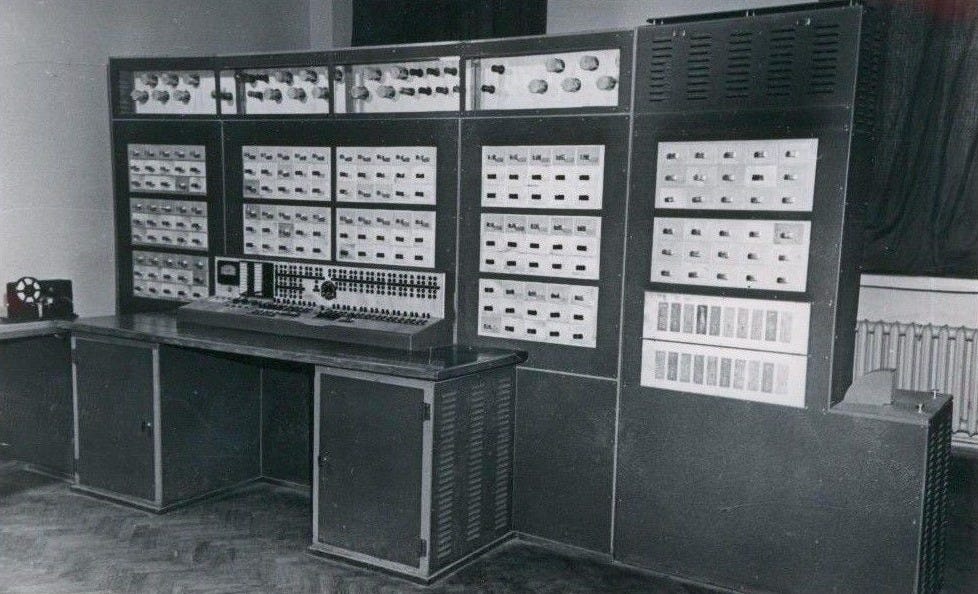
It used about 2,000 magnetic elements and 100 germanium transistors, primitive by today’s standards, but ten times cheaper than binary machines of the day. Setun used 30% fewer parts than a comparable binary computer. It was radical, and it worked. Around 50 units were built and shipped to research labs. But the project died anyway. The Soviet ecosystem wasn’t ready to scale it.
Setun didn’t fail because it didn’t work, it failed because the world had already chosen binary. Hardware, memory, software - everything was locked into two states. Ternary logic became a historical footnote.
Fast-Forward to Now
AI is burning through power like there’s no tomorrow, data centers are pushing power grids to the edge. Once again, computing has hit a wall - the same wall Brusentsov saw in the 1950s. Binary might not be enough.
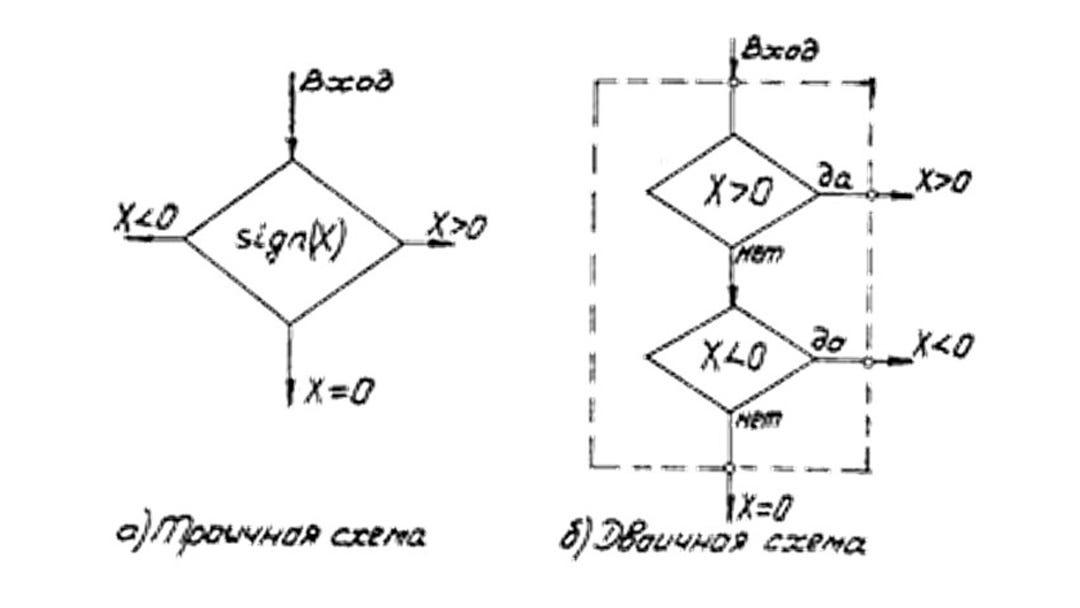
But this time, with advanced manufacturing and new materials, three-state devices might finally have their moment. And a new chip from Huawei, alongside work from other research labs, just proved it’s possible.
How It Works
Every modern chip is built from transistors that switch between two binary states - off and on. A classical transistor flips at a certain threshold voltage. Below that threshold, it stays off; cross it, and it switches on. That’s the foundation of all binary logic.
A regular transistor has one threshold. But if we want to build a ternary computer, we need something more. A device that can cleanly tell apart three states instead of just two. By giving the transistor two threshold levels, not one, you can unlock all three states.
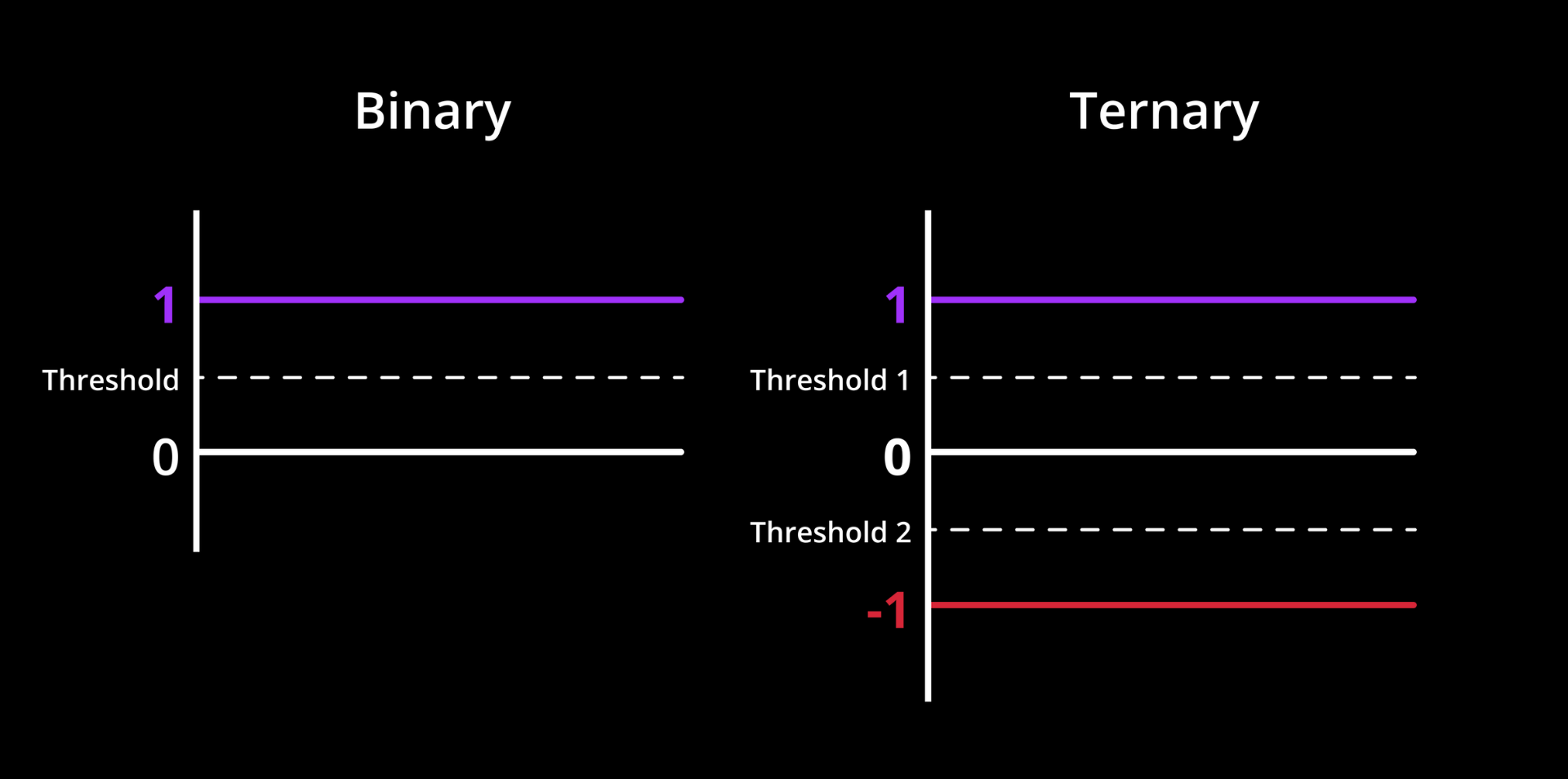
Once that’s achieved, the entire computing stack must be rebuilt: logic gates, adders, multipliers, memory - everything must handle three levels instead of two.
And now, Huawei has done just that: a working ternary chip, built at 7 nm.
Huawei’s Patent
For decades, ternary logic was trapped in labs - clever, but impossible to scale. Early patents from Russian pioneers and IBM expired long ago.
And now Huawei has filed a brand new patent for a ternary chip based on three-threshold transistors: low, medium, and high. These transistors can clearly separate three voltage levels, enabling true ternary logic.
Take the AND gate, one of computing’s most fundamental logic blocks. The AND gate is one of the most important parts of any chip. Its job is simple: only if all inputs are true, it gives true. Without AND gates, a computer can’t make decisions.
In binary, it’s simple: both inputs must be 1 to get a 1. That’s just 4 possible combinations.
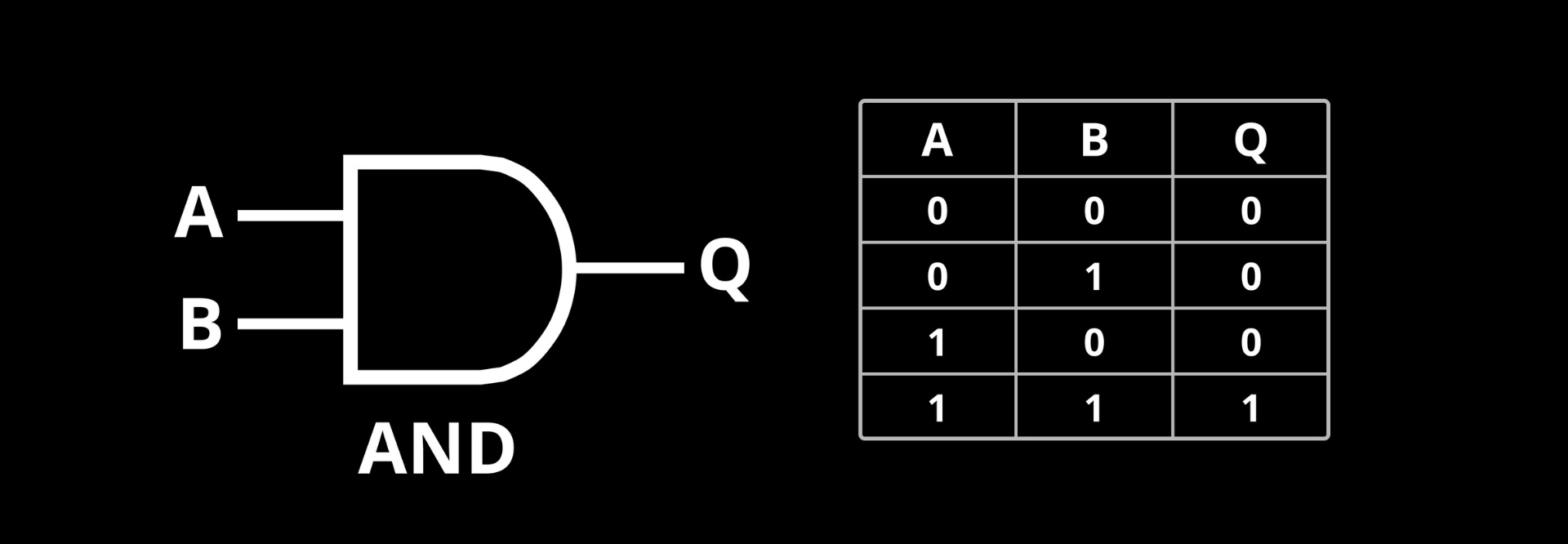
In ternary, things get spicy. Each input can be –1, 0, or +1. In binary, there are only 4 combinations. In ternary, you get 27. And in this setup, the ternary AND gate just returns the lowest value.
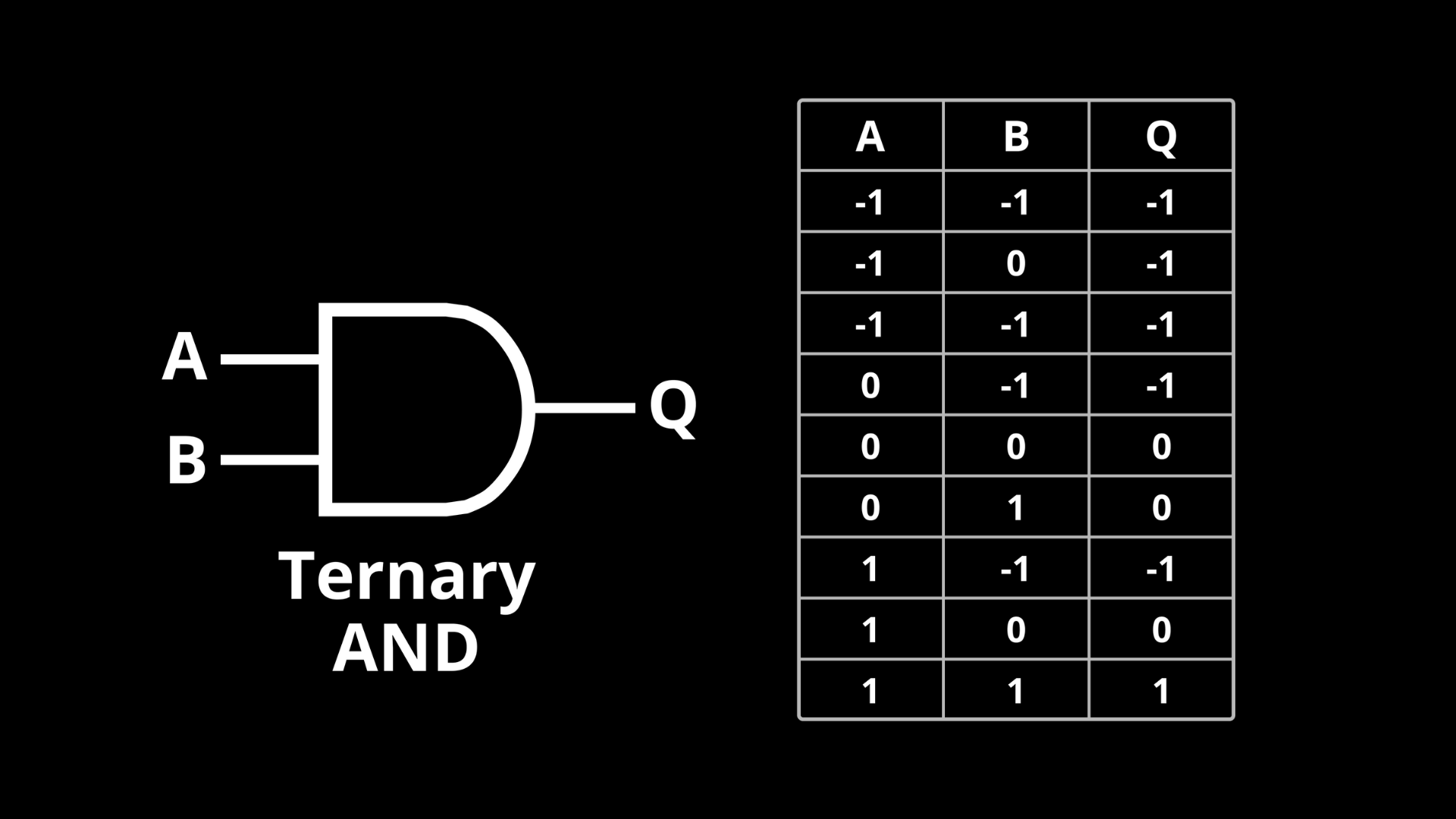
Here’s how ternary AND works:
+1 and +1 → +1
+1 and 0 → 0
0 and 0 → 0
anything with –1 → –1
The strictest input wins.
Compared to binary, each input now carries more information. That means higher information density, you can do more with the same number of wires. Circuits that are more compact, more efficient, and need fewer parts.
According to Huawei’s documentation, their ternary chip uses 40% fewer transistors, 60% less power, and runs 20% faster. That’s not incremental. That’s a leap.
But here’s the thing about patents - they only show part of the story. The most interesting breakthroughs often stay unpublished. Which means there’s probably a lot more going on behind the scenes than we’ve seen yet, and that’s exciting.
Below we explore the material breakthroughs unlocking ternary computing, what this technology could enable and why it matters.
