Across the planet, entire landscapes are being wiped and rebuilt, all turning into AI data centers almost overnight. Each new one is bigger, pulling more power and water than the last. The scale keeps rising, but the physical limits stay put.
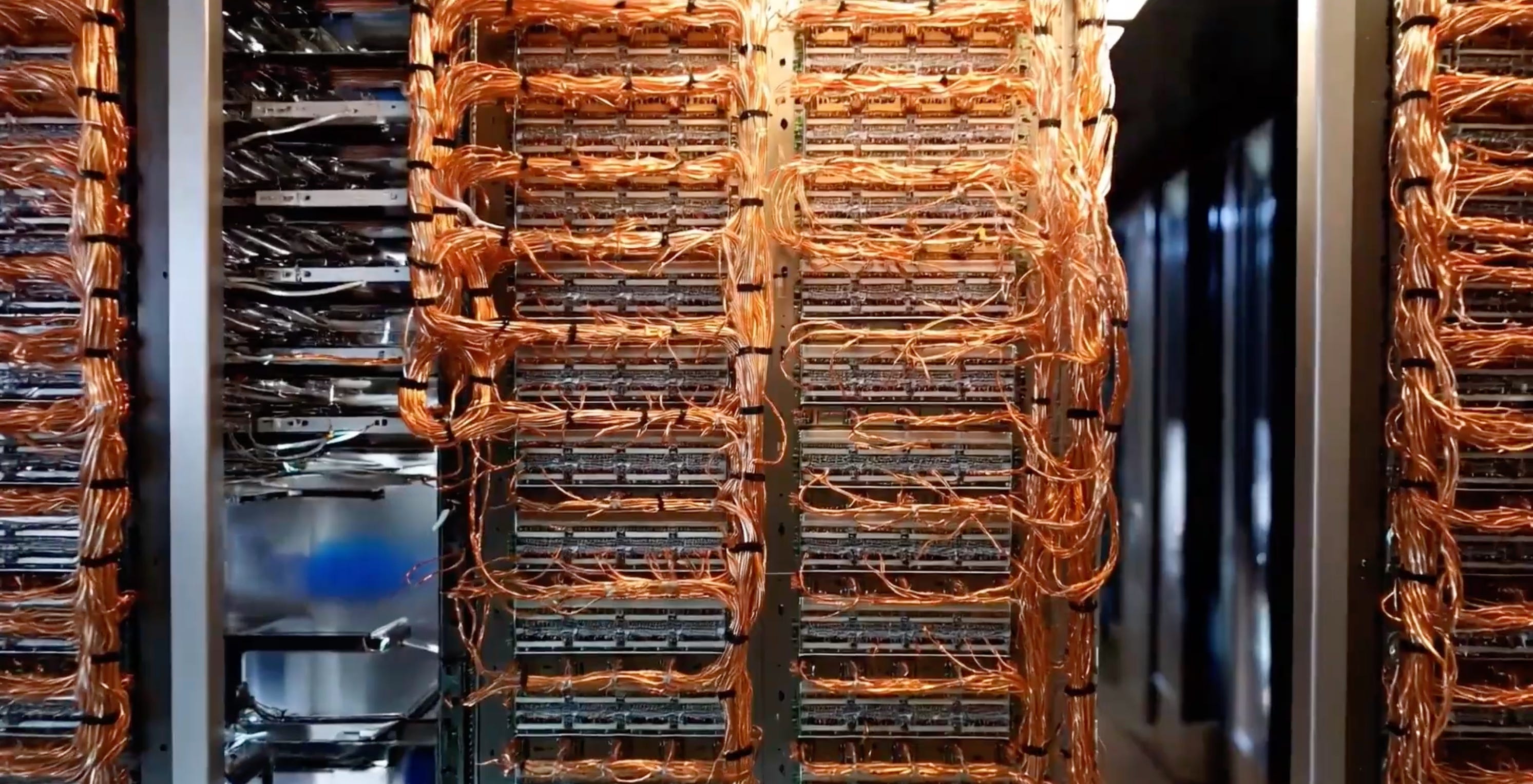
Silicon and electrons carried us as far as they could. Now, that gap can only be closed by an entirely new technology. It’s the hottest problem in the industry today, and the search for a solution is triggering a new gold rush.
Power Systems Begin to Strain
A single next-generation AI campus now draws one to two gigawatts of power, the same order of magnitude as an entire metropolitan area. In parts of Virginia, data centers already consume a quarter of the local grid. And we’re only getting started.
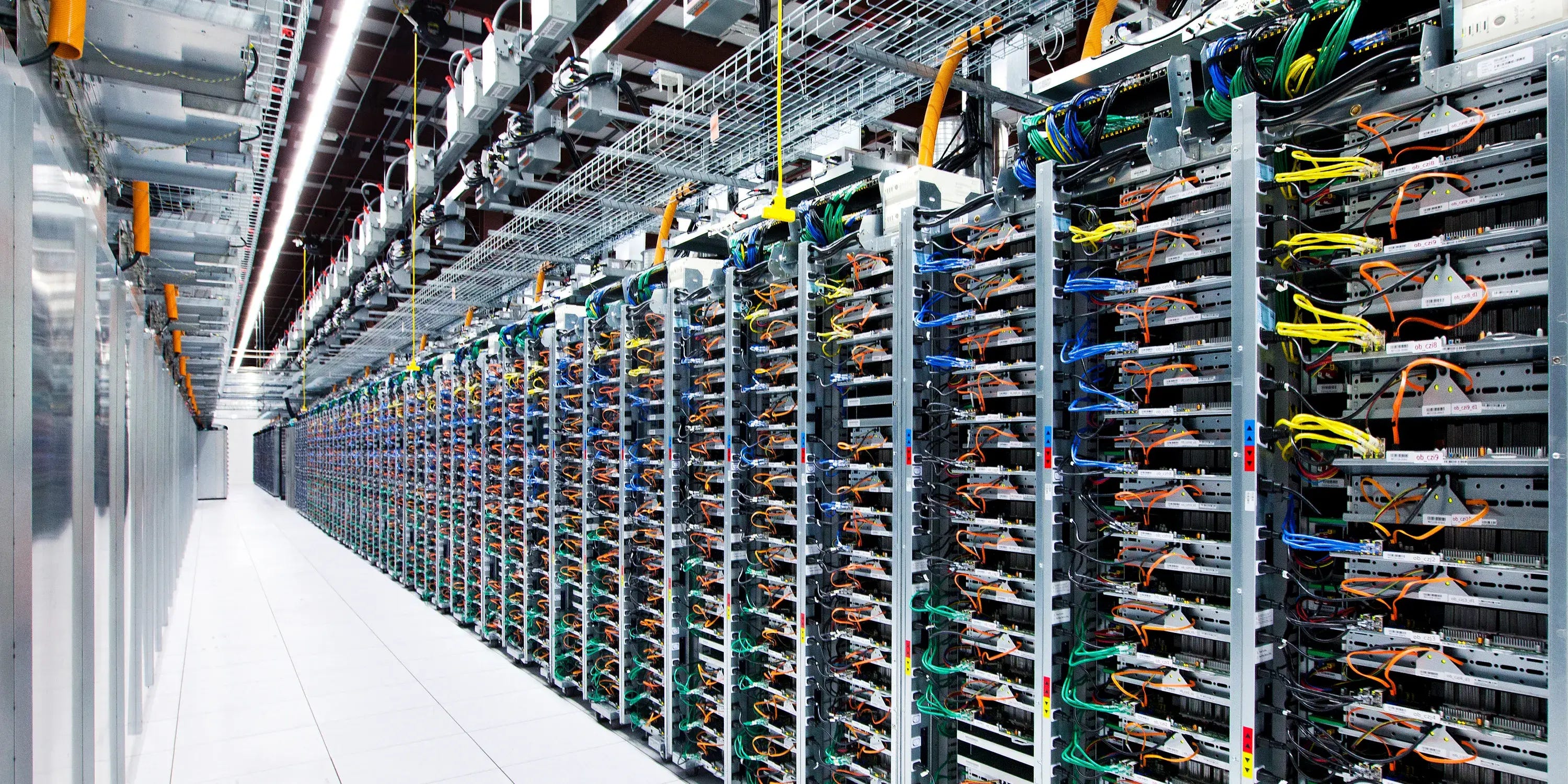
Inside these buildings, millions of GPUs crunch data and dump heat into the air. Once that heat hits the room, it must be pushed out just as fast. Almost 40% of total datacenter power doesn’t go to the chips at all, it’s swallowed by cooling, eaten up by giant chillers humming in the background.
The real issue isn’t just compute demand. It’s the sheer volume of data being moved and how inefficiently we move it.
Why Networking Becomes Critical
AI data centers aren’t just larger versions of traditional ones, they’re something entirely different.
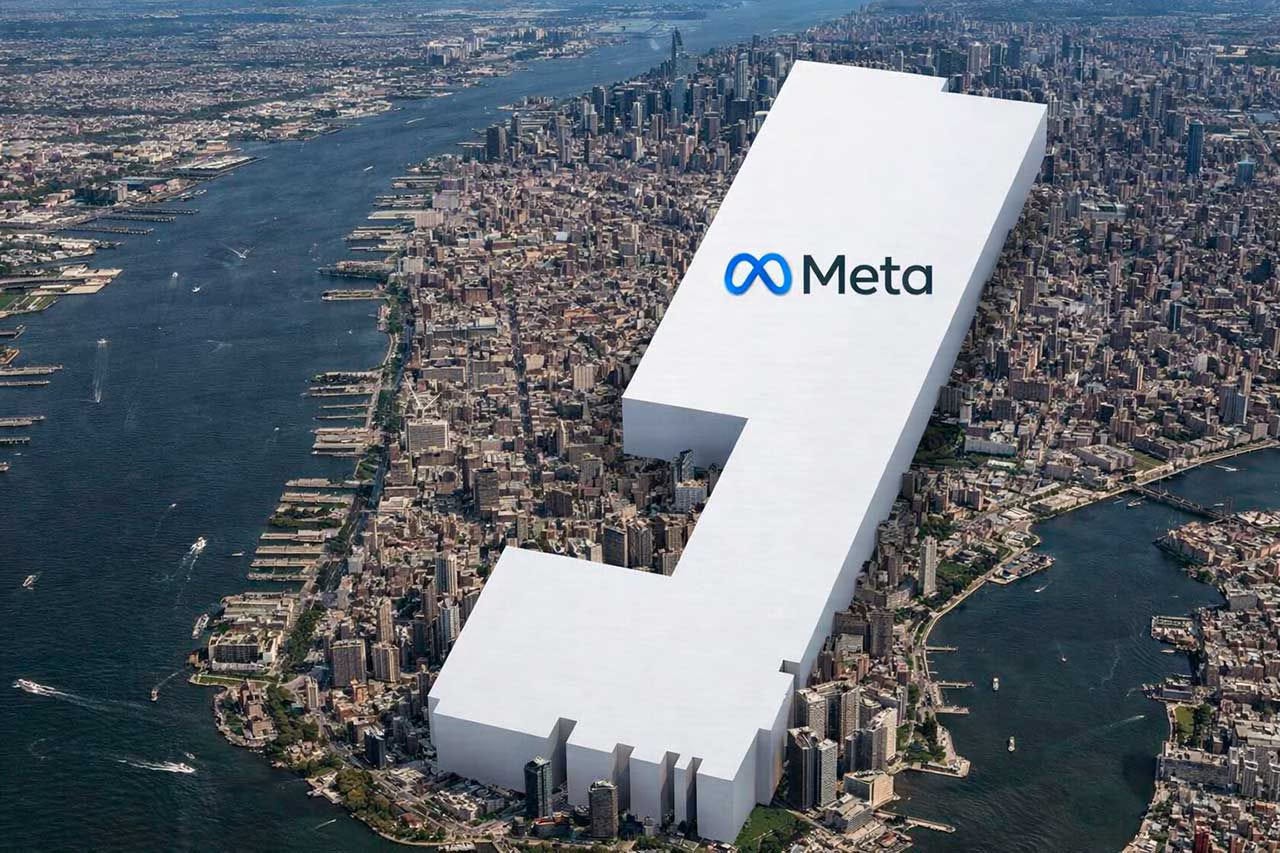
Take Meta’s Hyperion project in Louisiana - the largest AI data center ever attempted in North America. Hyperion aims for a scale of 5GW, built to operate as a single AI supercomputer with over one million GPUs. What used to be a warehouse of computers has turned into a single computer the size of a city.
But when a single workload spans a building, every nanosecond of delay becomes a choke point. In classical cloud systems, that jitter meant nothing; in AI superclusters, it’s deadly.
Under these slowdowns lies a hidden cost, up to 30% of GPU power is spent just moving bits off the chip. The bottleneck is no longer inside the GPUs. It’s between them. And that’s why the new gold rush in AI data centers is all about the network.
Copper Is The Problem
At the center of this crisis sits copper, the metal that carried the entire digital revolution. Today it’s everywhere: between chips, across boards, between racks. A single hyper-scale AI campus can consume 50,000 tons of it.
For decades, copper was perfect - cheap, familiar, and easy to route. But at modern speeds, it’s collapsing under physics. At tens of gigabits per second, data can travel only a few meters. Push higher, and you’re down to inches before the signal collapses into noise. Every extra centimeter costs more heat and energy. Copper’s energy-per-bit is rising so rapidly that scaling becomes physically unsustainable. Copper has taken us as far as it can, and the only remaining medium with real runway is light.
Why Optics
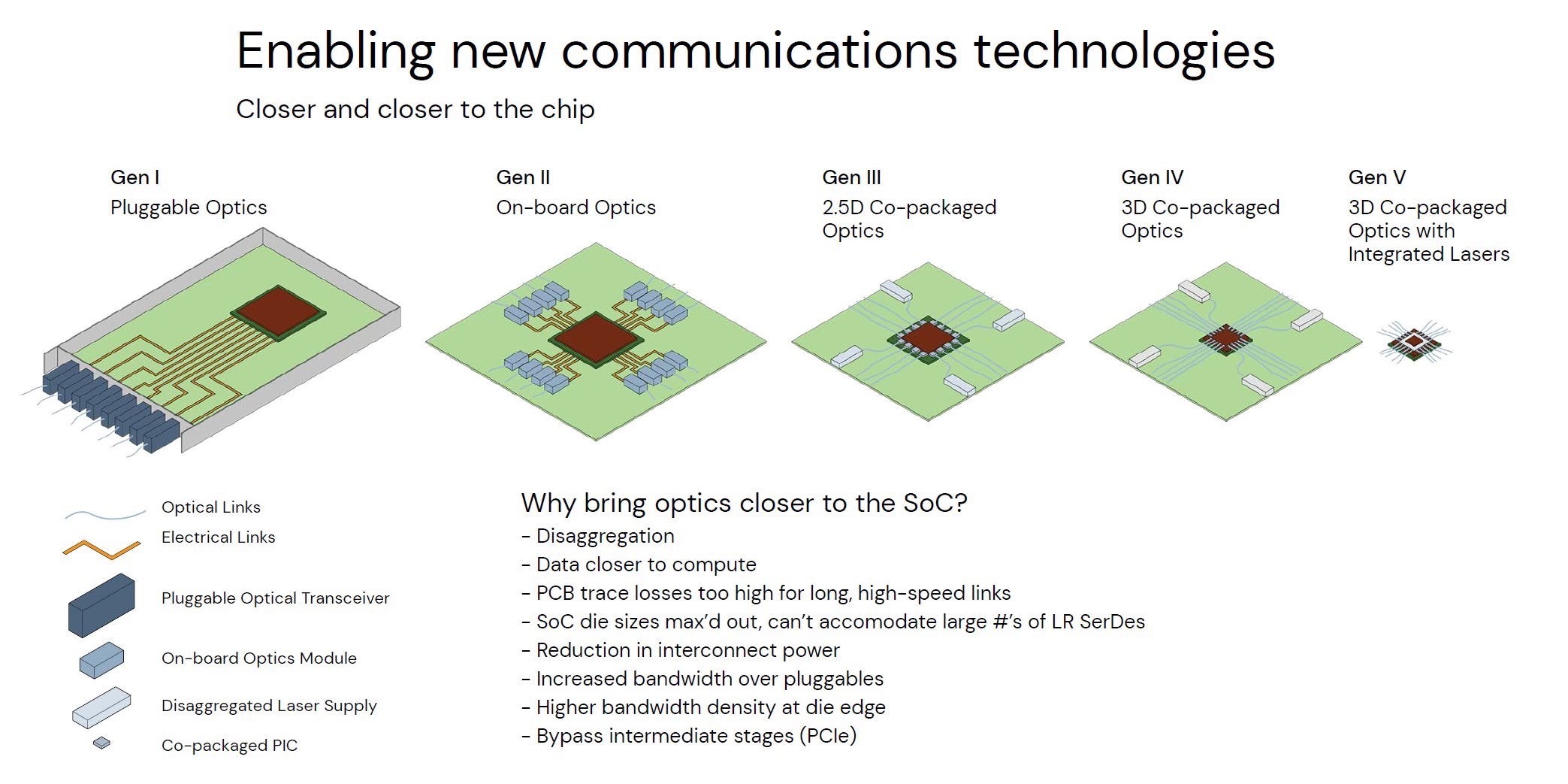
Light follows an entirely different rulebook. Photons glide through fiber without grinding through resistance or shedding energy as heat. Optics already powers the internet’s backbone, every rack-to-rack link and every transcontinental fiber. But it’s still missing where we need it most: right next to the compute. The last few centimeters, between chiplets and between GPU dies, remain copper. That’s where performance, power, and latency bottlenecks all spike.
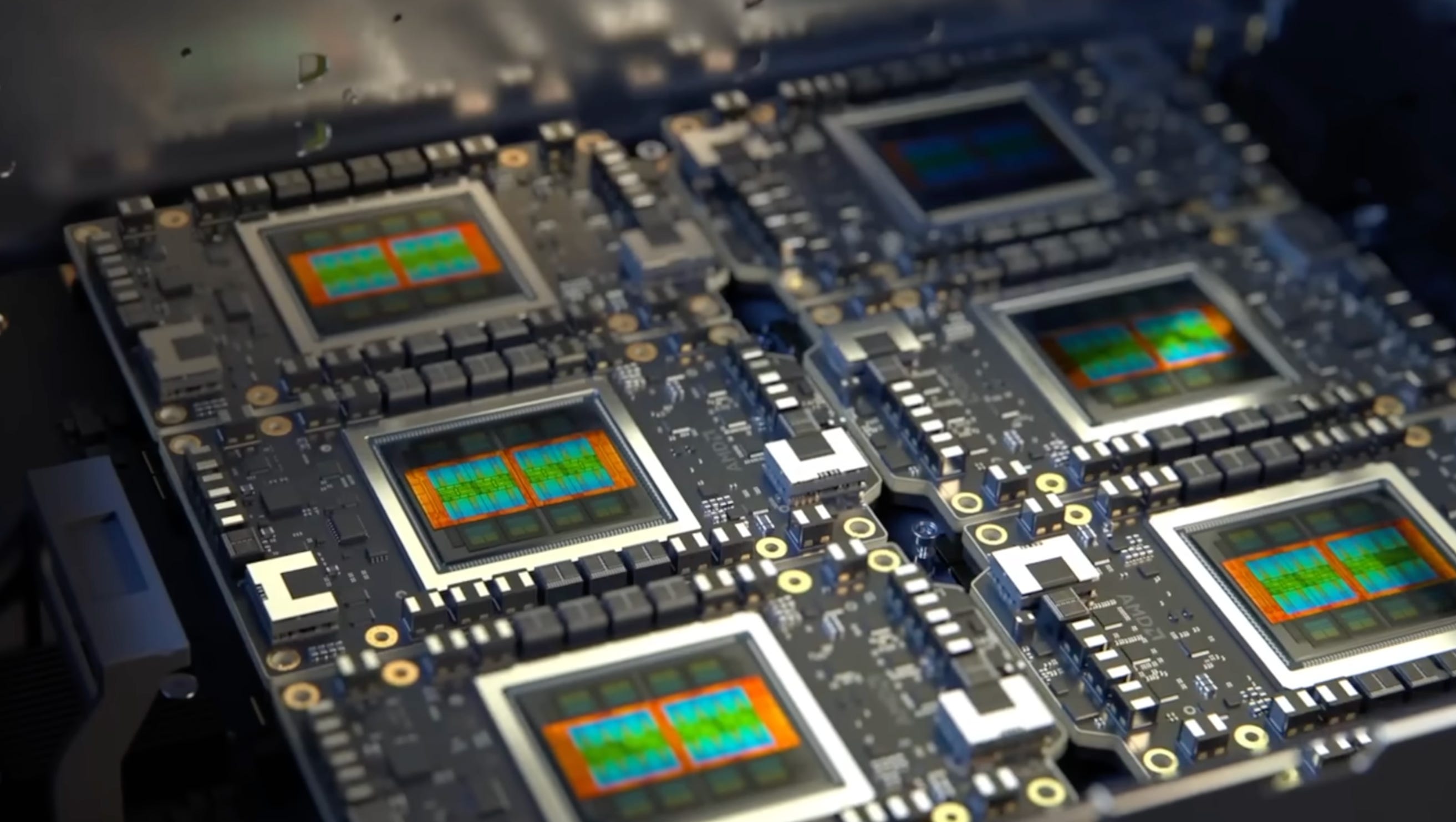
Bringing optics that close has been the dream for decades. But it’s been blocked by physics. The challenge lies in creating tiny, stable, high-speed photonic components that can survive brutal thermal swings inside multi-kilowatt GPU packages.
The Last Two Centimeters: A Physics Problem
A photonic modulator, the “transistor” of the light world, takes data and turns it into light. Some, like Mach–Zehnder interferometers, are too large to place near compute. Others, like micro-ring modulators, are tiny but extremely temperature-sensitive (just a few degrees of drift can knock them out of tune).
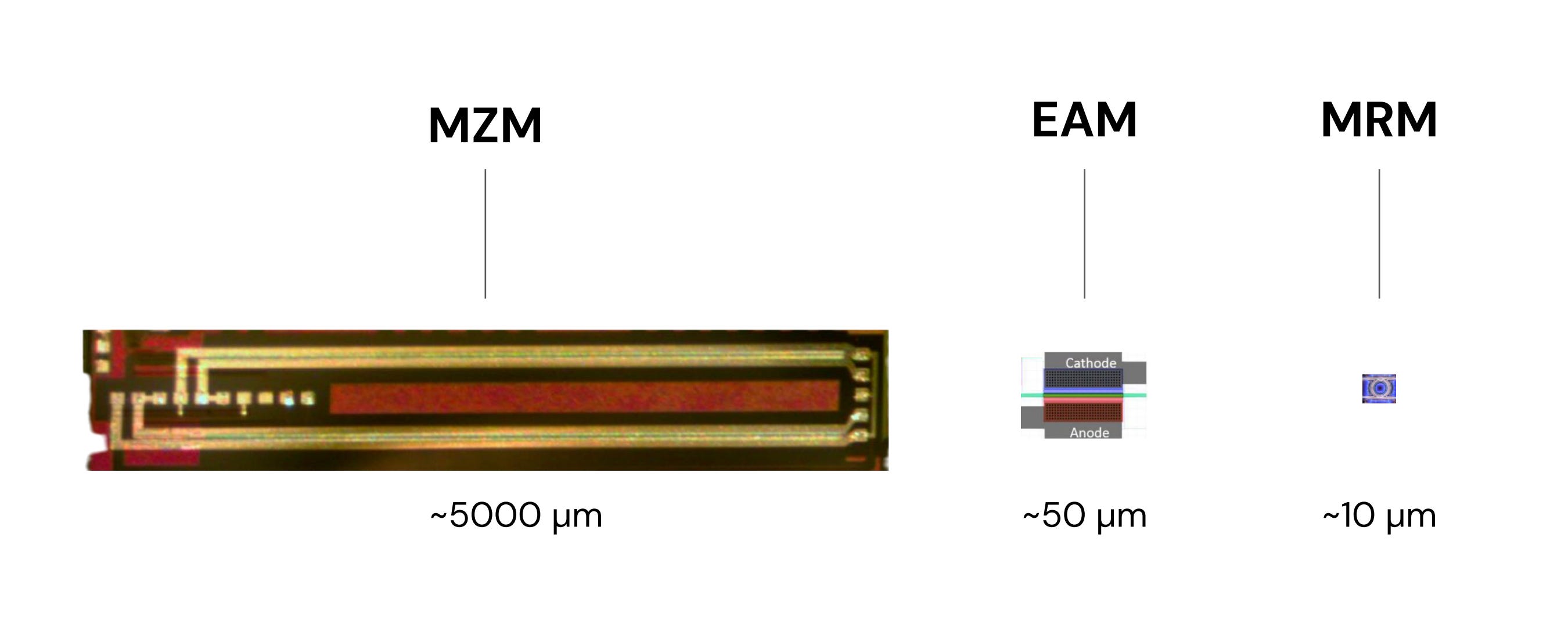
Now imagine GPUs rapidly shifting between 30°C and 85°C within seconds. Those temperature swings are enough to kill most photonic solutions. For decades, these last two centimeters, from the electrical to the optical domain, have been one of the hardest frontiers in computing. But recent progress suggests we may finally be close to crossing it.
Below, we cover germanium modulators, emerging light sources, TSMC’s COUPE, and the outlook.